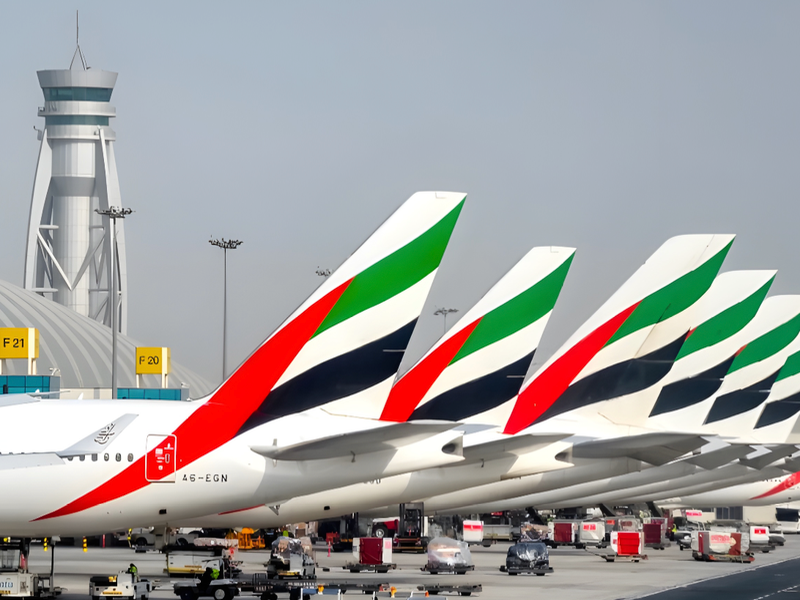
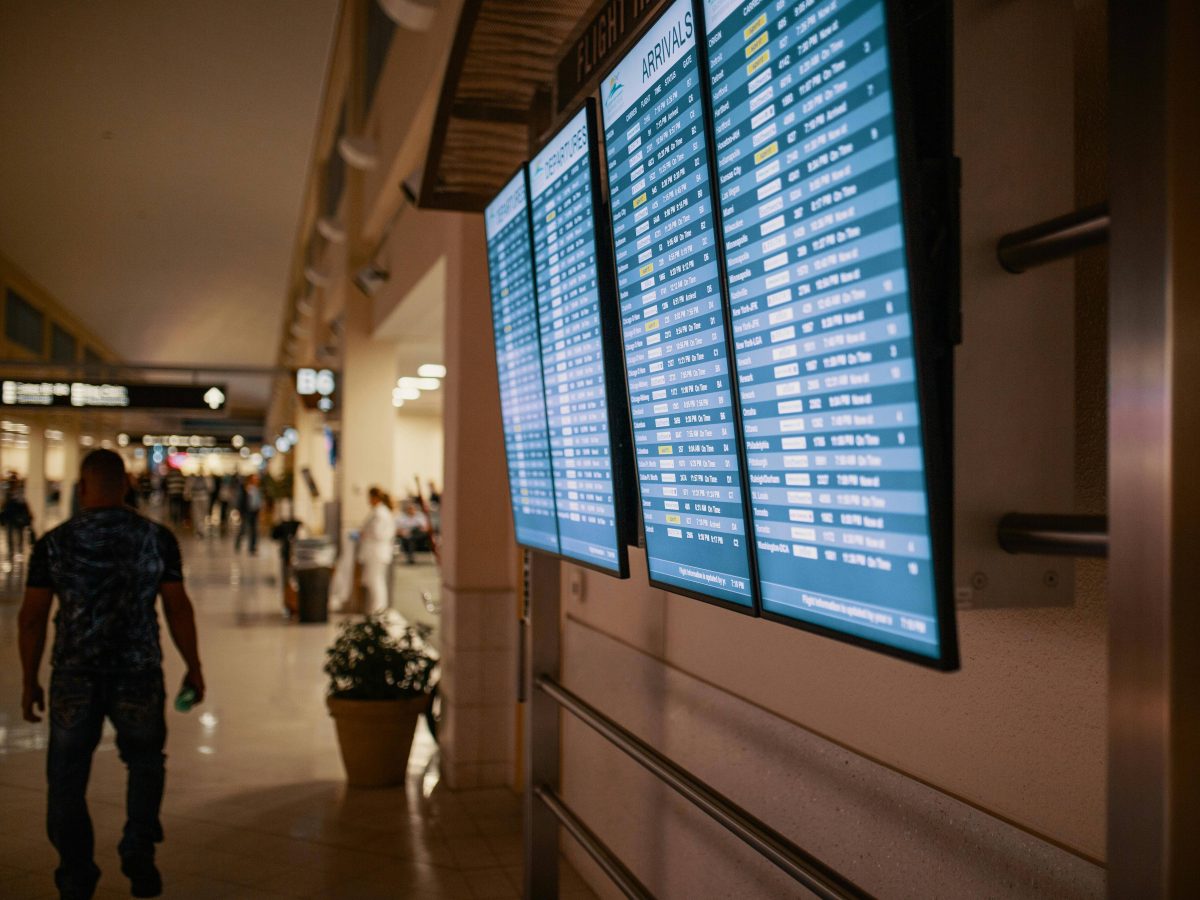
Global airlines are adjusting or suspending services through Middle Eastern airspace after US airstrikes on Iranian nuclear sites prompted renewed threats from Tehran, escalating regional risks and aviation disruptions.
Commercial air traffic over Iran, Iraq, and neighbouring airspace remains significantly reduced as the conflict enters a new phase following US strikes on June 23, Reuters reported on Monday. The region has seen restricted traffic since Israel began targeting Iranian infrastructure on June 13, with airlines rerouting flights north via the Caspian or south through Egypt and Saudi Arabia.
New cancellations have affected routes to Gulf hubs, including Dubai and Doha. On Sunday and Monday, Air France KLM cancelled flights to Dubai and Riyadh. American Airlines, United Airlines, and Air Canada previously suspended services to Qatar and the UAE. None have announced resumptions.
Singapore Airlines resumed its Dubai route on Monday after cancelling Sunday’s flight, calling the situation “fluid.” British Airways, owned by IAG, was also set to restart Dubai and Doha services after a one-day suspension, according to Flightradar24.
Local carriers in Jordan, Lebanon, and Iraq have begun reinstating some services, while Israel is increasing its departures. El Al said on Sunday it received requests from over 25,000 passengers to leave the country in 24 hours. Israel’s Airports Authority plans to operate 24 rescue flights daily, each with a capacity of 50 passengers.
With Russian and Ukrainian airspace closed since 2022, the Middle East has become a key corridor for flights between Europe and Asia. The new disruption is pushing up costs for carriers, with detours adding flight hours and jet fuel prices rising alongside oil markets. Brent crude rose to $86 per barrel on Monday morning, reflecting renewed geopolitical risk.
Beyond route changes, safety concerns are increasing. Airlines are responding to warnings over GPS spoofing and signal jamming in the Gulf. Flightradar24 told Reuters it had observed a “dramatic increase” in interference, and Swiss GPS monitoring firm SkAI recorded over 150 spoofing incidents in a 24-hour period.
Airlines are weighing whether to maintain service into the region or further suspend operations as the security situation develops. The bookable flight schedules for major Gulf airports suggest intermittent recovery, but full resumption remains uncertain.