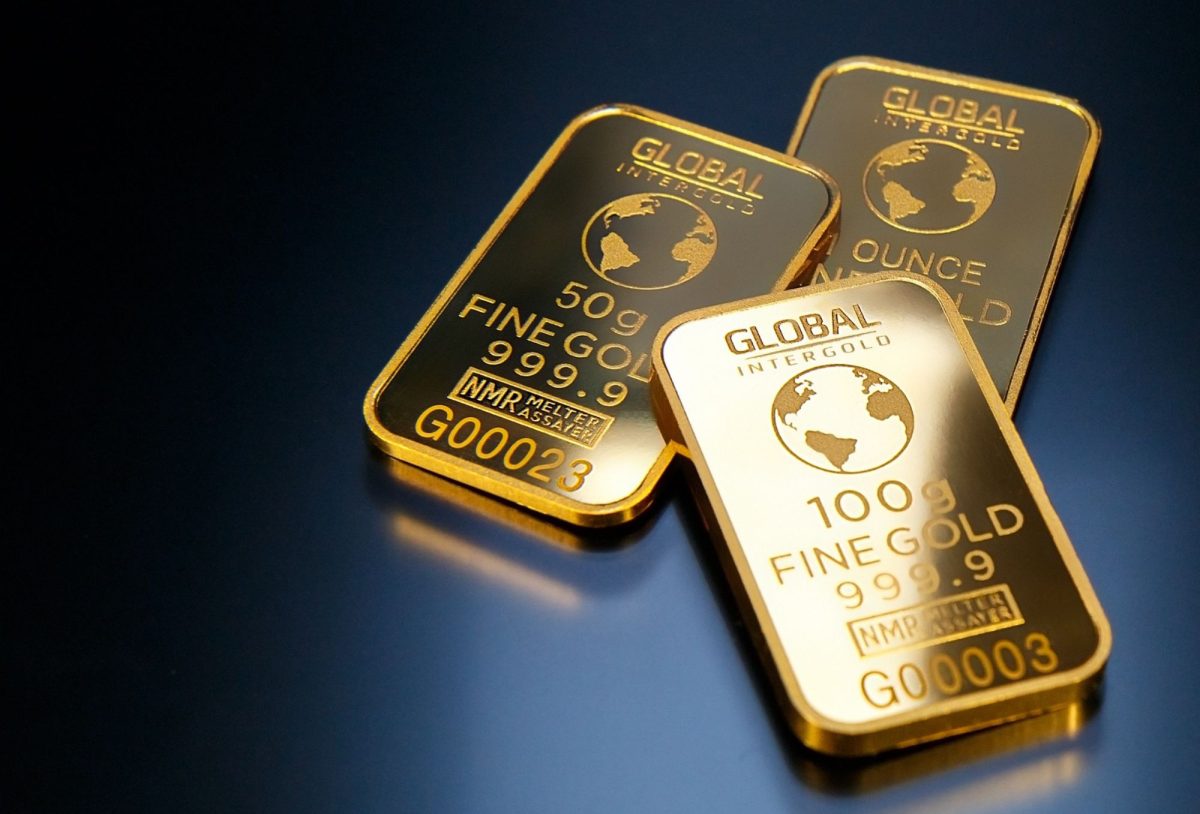
Gold hit fresh records on September 2, briefly trading at $3,508.50 per ounce as expectations of US Federal Reserve rate cuts and concerns about the central bank’s independence fuelled demand. The rally marks a 33% gain year‑to‑date in spot prices, with gold futures climbing to $3,565.50.
ETFs bought 104,284 ounces in the past session, pushing 2025 net inflows to 10 million ounces, the seventh straight day of gains. Analysts say a weaker dollar and central bank accumulation also underpin the rally.
Political pressure
Political uncertainty has heightened gold’s appeal. Investors are reacting to President Trump’s attempts to undermine key Fed officials, a move analysts say threatens central bank credibility and boosts safe-haven flows.
Gold hits record high
Century Financial’s Chief Investment Officer, Vijay Valecha, sees strong momentum underpinning the rally. On technical charts, gold has broken out of a three-month consolidation and is trading above its 9‑ and 21‑day simple moving averages, key short‑term momentum indicators.
Valecha notes that ETF inflows and macro drivers could extend the rally. “The weakening US dollar, coupled with renewed fears about the government’s fiscal deficit and legislative wrangling has only added to gold’s appeal,” he said.
He adds that continued dovish signals from the Fed would lend further support. “If the Fed signals dovishness in upcoming meetings, gold is likely to attract even more investor attention.” Traders are watching Friday’s non‑farm payrolls and upcoming PMI data for further clues.
UAE prices
Domestic buyers in the UAE are also seeing significant gains, with 24-carat gold trading at Dh421.50, while 22-carat and 21-carat gold stand at Dh390.25 and Dh374.25, respectively.
Global fund flows reflect gold’s rising status as a refuge. Precious metals-focused funds drew $556 million in the week ending August 27, even as equity fund inflows slowed sharply amid Fed reservation fears.
Meanwhile, analysts warn that gold could reach even higher levels. A forecast from The Guardian suggests prices could climb to $3,700 by 2026, and potentially $5,000 by 2028, as central bank demand endures and market uncertainty persists