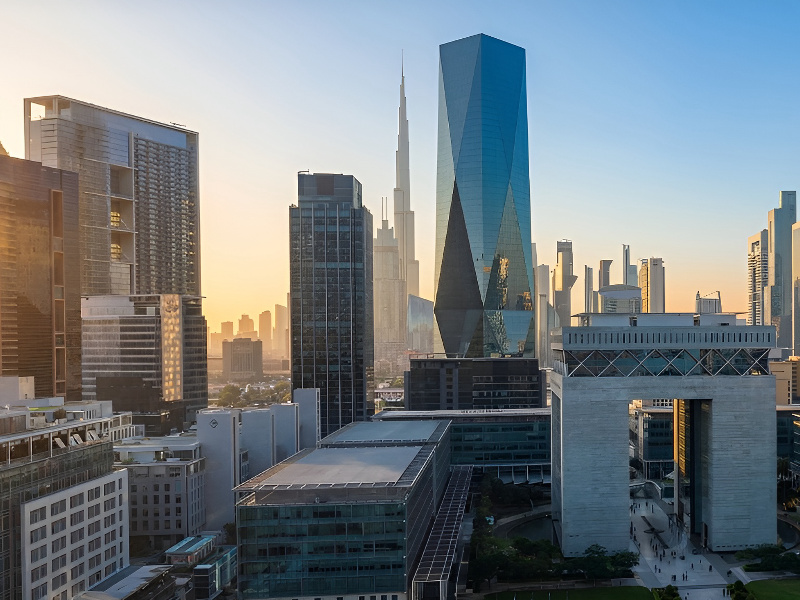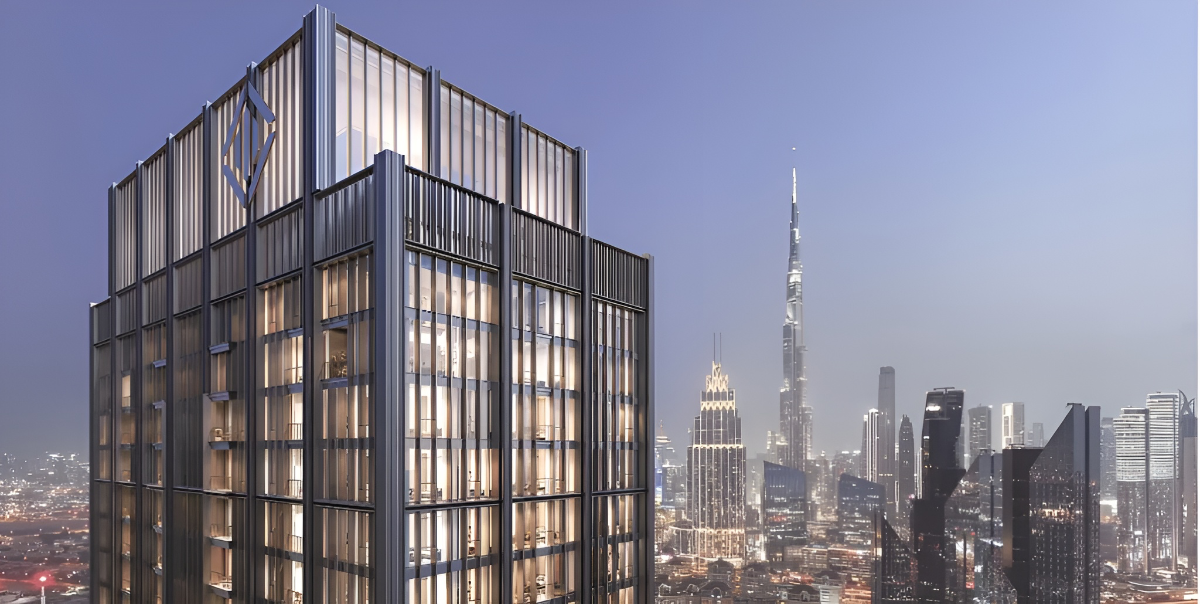

Dubai’s DIFC has achieved its highest ranking to date in the Global Financial Centres Index (GFCI), securing the seventh position globally.
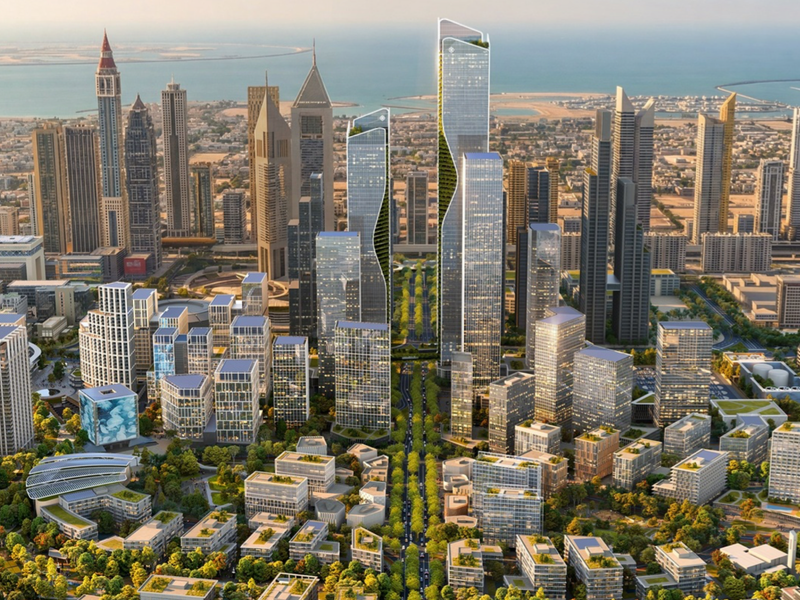
This milestone underscores the emirate’s emergence as a significant player in the global financial landscape, aligning with its strategic objective to position itself among the top four financial centres by 2033, as outlined in the Dubai Economic Agenda (D33).
MEASA Leader
Dubai remains the only financial centre in the Middle East, Africa and South Asia (MEASA) to feature in the top 20, highlighting its regional dominance and global competitiveness.
The GFCI, produced by the Z/Yen Group, benchmarks 137 financial centres worldwide using 135 instrumental factors, drawn from over 34,000 assessments by financial services professionals.
The index categorises Dubai as one of ten cities globally regarded as a leader in the financial sector.
Sector Breakdown
Banking ranked 14th, with finance, investment management and insurance in the top 10. Dubai’s FinTech, government and regulatory, professional services and trading sectors have advanced into the top five.
This ranking is a testament to the sustained momentum of Dubai’s financial ecosystem, significantly propelled by the Dubai International Financial Centre (DIFC), which has solidified its status as a comprehensive financial hub.
Business Ambition
“The most telling measure of a financial centre’s strength is the ambition of the businesses operating within it. What we see in Dubai today is a market where the scale and complexity of commerce is growing incredibly. The merchants and enterprises based here are building operations with a view to establishing international footprints,” according to Daumantas Grigaravicius, Head of Middle East at Adyen.
The DIFC hosts over 9,000 active companies, including leading global banks and asset managers, and has attracted a workforce exceeding 50,000 professionals. The continued expansion of Dubai’s infrastructure and regulatory framework further amplifies its appeal to international investors and financial institutions.
Regulation & Positioning
“That level of ambition requires an infrastructure setup that can keep pace and Dubai’s ecosystem certainly delivers on that. The regulatory framework has matured rapidly and the digital infrastructure is amongst the most advanced globally. For us, that translates into payment flows that are growing fast” according to Grigaravicius.
Dubai’s elevated position in the GFCI reflects its role as a global financial bridge, facilitating capital flows and talent movement between East and West. The emirate is developing a trusted legal and regulatory environment, complemented by an innovative landscape through initiatives like the DIFC Innovation Hub and Dubai AI Campus.
As Dubai continues to pursue its ambitious goals, analysts believe that the city is well on its way to reaching the top four by 2033.
“A ranking like this qualifies what the business community has been recognising for some time, and it places the Emirate well on its way to reaching its target of being one of the top four by 2033,” said Grigaravicius.
Stay Up to Date with the Latest Updates at Finance ME
Analysis: IFC Oman is Carving a Niche in High-Growth Financial Sectors
Post-War Realities: Why Saudi Arabia Will Accelerate Localisation
Presight Director: AI is Becoming Core Financial Infrastructure