Dubai-based lender Mashreq bank, which holds an A3 (Stable) rating from Moody’s and an A (Stable) rating from both S&P and Fitch, is in the process of marketing a dollar-denominated benchmark-sized perpetual non-call 5.5-year Additional Tier 1 (AT1) bond.
Institutional Participation
A consortium of financial institutions, including Abu Dhabi Commercial Bank, BBVA, Barclays, Bank of America, Credit Agricole, Emirates NBD Capital, First Abu Dhabi Bank, Mashreq, and Standard Chartered, has been appointed as joint lead managers for the Regulation S issuance.
The fixed investor calls for this transaction are set to commence on 29 June.
The AT1 bonds are expected to be listed on the Global Exchange Market of Euronext Dublin, providing enhanced visibility and liquidity for investors.
Two Bonds, Two Macroeconomic Contexts
In February, Mashreq successfully raised $500M through a similar perpetual non-call 5.5-year AT1 issuance, priced at 6.25%.
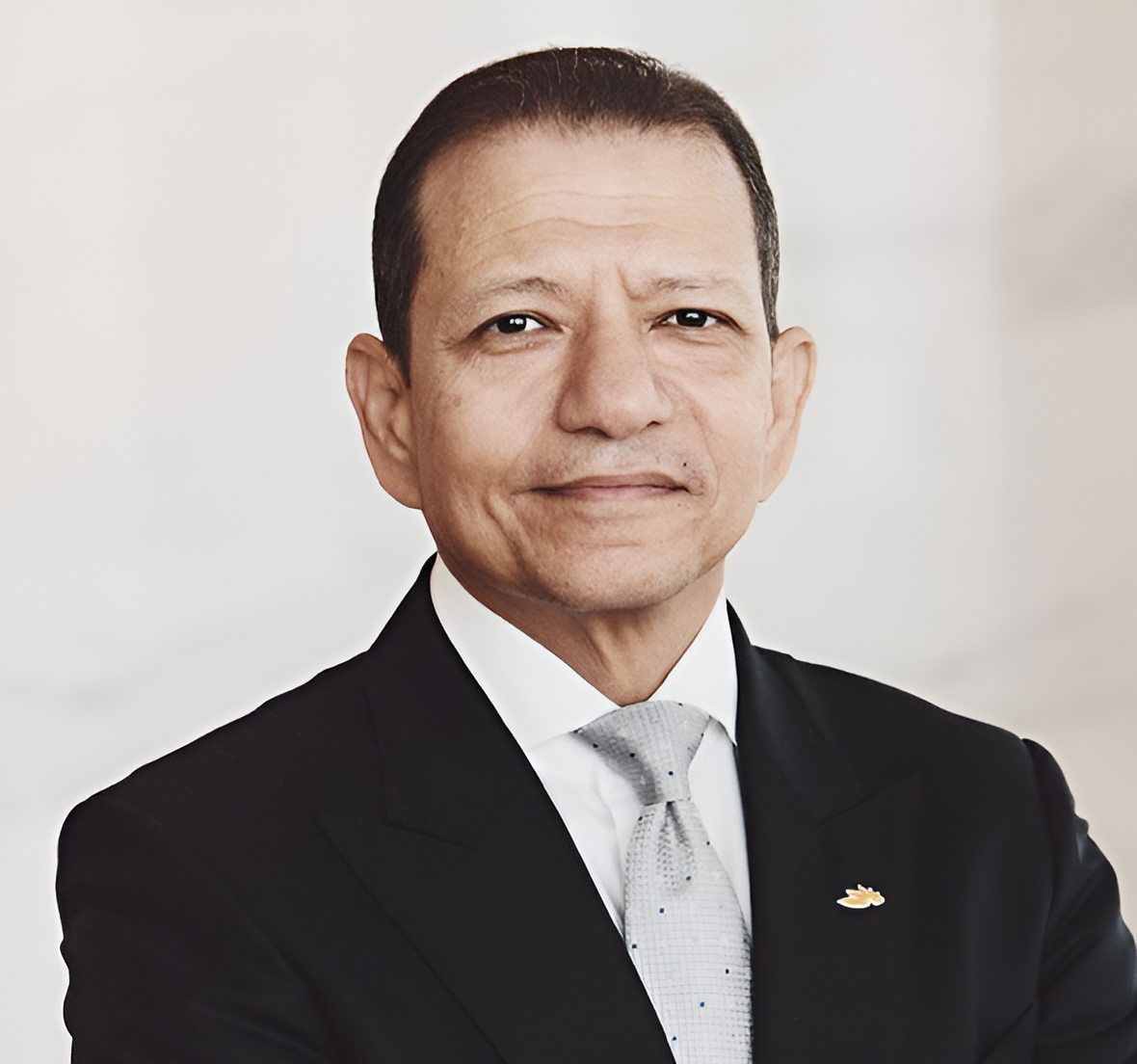
Commenting on the issuance before the Iran war, Ahmed Abdelaal, Group CEO, Mashreq reiterated “the depth of investor confidence in Mashreq’s credit profile, strategy, and long-term growth prospects” underlining the deal’s “significant oversubscription despite market volatility.”
The issuance went ahead, taking advantage of favourable market conditions, whilst the upcoming issuance is set against prolonged market volatility from the Iran war.
However any issuance on public markets for international investors is a welcome sign of investor confidence in GCC capital markets yet the yield value will highlight the perceived risk premium of lending in the current market.
Bond Yields
Therefore, the yield value of the upcoming AT1 issuance will be a litmus test for financial markets as international investors price-in any risk premium in capital markets because of the ongoing geopolitical headwinds.
Stay Up to Date with the Latest Updates at Finance ME
SpaceX IPO Sees GCC Investors Commit to AI Diversification
UAE Reinforces Overseas FDI Commitment in U.S. Despite Iran War
EDGE’s Rodrigo Torres on Risk, Sovereignty and Defence Finance in a Multipolar World