Telecom companies want to diversify—and they have set their sights on fintech.
The Middle East is a mature telecommunications market, with GCC nations boasting mobile penetration rates of 130 to 210%, according to S&P Global. This landscape offers “limited organic growth prospects” for companies in the telecommunications sector, according to analysts, who have predicted that core telecom revenues in domestic GCC markets will grow by one to 3% a year by 2025. Thus, telcos are searching for new avenues for growth.
A recent McKinsey & Company study found that over 77% of global telecom executives had made more than five new business propositions in the last few years. The most successful ones across the board were financial solutions.
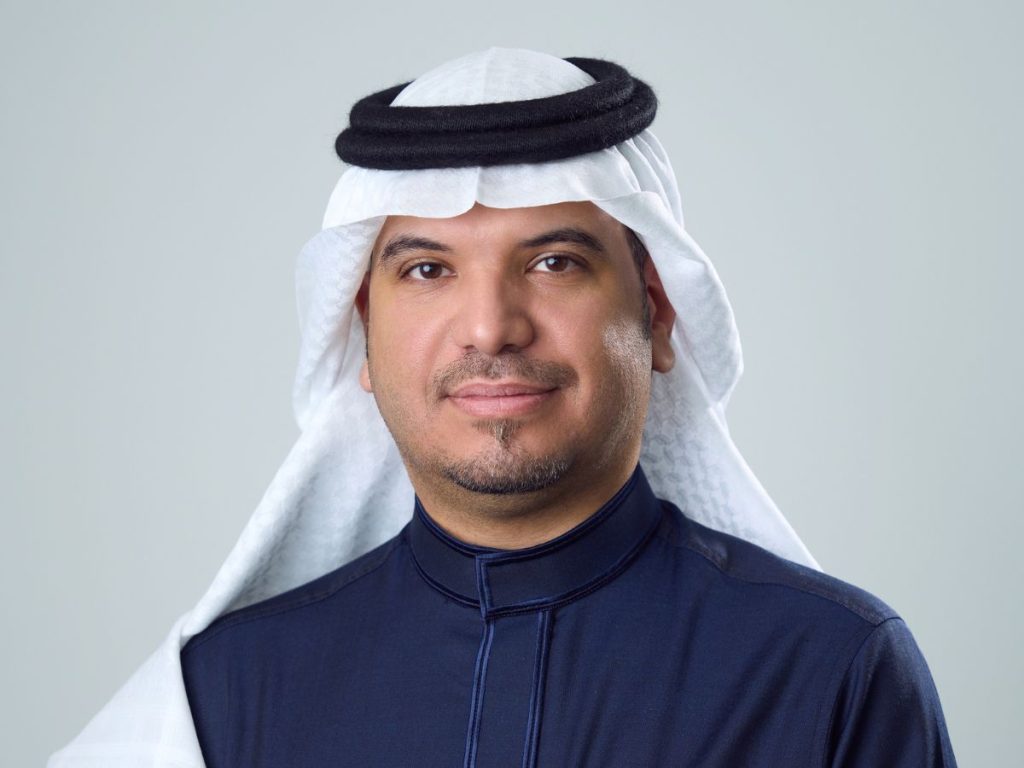
“With emerging technologies changing the way telecoms operate, they are diversifying their services and investing in financial technology to position themselves as key enablers of digital transformation,” Nezar Banabeela, stc Bahrain CEO and Chairman of stc pay Bahrain, told Finance Middle East in an exclusive interview.
From Bahrain to the UAE and Saudi Arabia, GCC telcos have identified financial services as a highly attractive sector to expand into. Stc pay, e& money and du pay are some of the companies that have come out of this new focus, in which digital payment solutions have become the undisputed protagonists. But what can telcos bring to the fintech world?

Why fintech?
Total global payments revenues are expected to hit $3.3 trillion by 2031. The surge in digital payment adoption currently being experienced by GCC nations is directly related to rising smartphone penetration rates and increasing demand for convenient and secure payment options. This is no small market and telcos are well-positioned to explore it.
Over the last few years, top GCC telecom providers have reorganised their company structures to expand their fintech offerings. In 2022, Etisalat rebranded to e& and turned its eWallet service into a new fintech company called e& money. Earlier this month, Saudi Arabia’s stc pay obtained approval from the Saudi Central Bank (SAMA) for the beta launch of STC Bank, just as the UAE’s du launched its fintech arm, du pay.
“Fintech is part of our strategy of getting revenue outside of core telecoms”
Fahad Al Hassawi
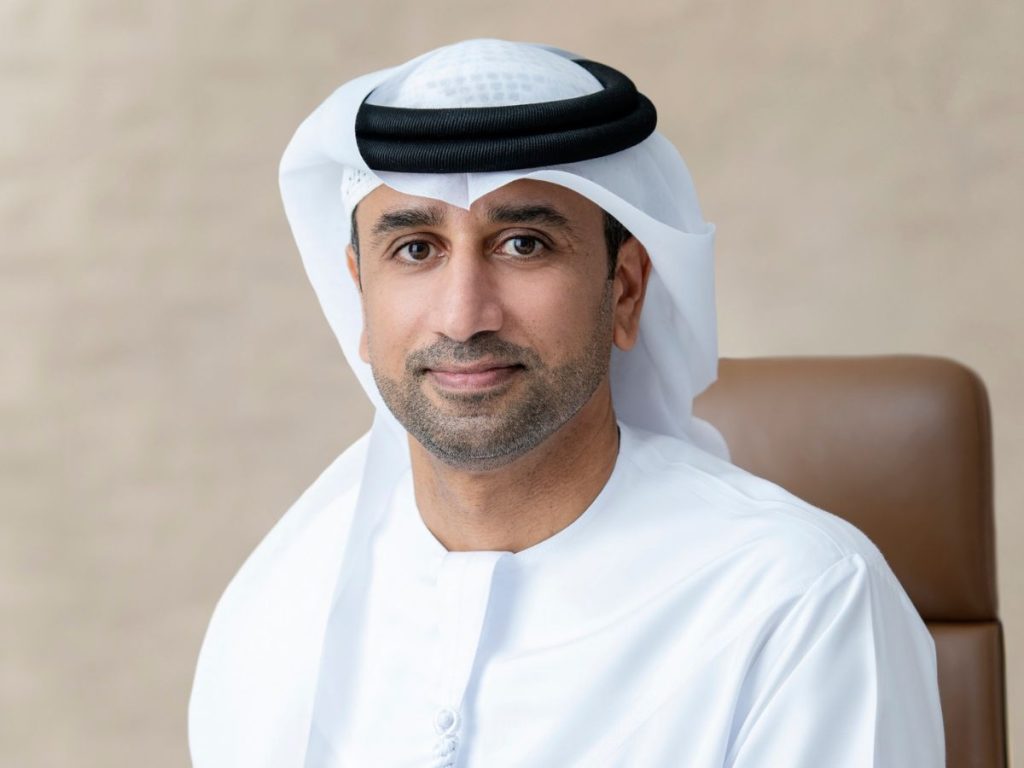
“Fintech is part of our strategy of getting revenue outside of core telecoms,” Fahad Al Hassawi, CEO of du, told reporters during the app’s launch. “This is something that most telco operators are looking at.”
Melike Kara, CEO of e& money told Finance Middle East, “Telcos already possess the necessary infrastructure to support digital payments, including networks, payment gateways, and customer service capabilities. This existing infrastructure gives them a competitive edge in entering the fintech space.”
Telecoms benefit from an incomparably broad reach and a large, secure customer base already connected to their network. They have a good understanding of consumer behaviour, pain points, and needs. Moreover, companies in this space can leverage their core capabilities, retail presence, technical support, and customer insights to offer subscribers new digital solutions—with payment services being the most in demand.
“Telecoms are uniquely positioned to meet the growing demand for digital payments and become leaders in the industry,” Banabeela explained. “As digital enablers, we recognise the immense market potential within this space.”
The trendsetters
The digital payments space has long been attracting players across the world—from large conglomerates looking to diversify their offerings to brand-new startups. Looking at the MENA region, Orange Money and MTN Money were among the first e-wallets launched by telco providers to witness great success, in 2008 and 2009, mainly in Africa. In the Middle East, stc pay was launched by Saudi Telecom in 2018 and now boasts over eight million users across Saudi Arabia and Bahrain.
“stc pay is not just a mobile wallet–it’s stc Bahrain’s commitment to join Bahrain in its journey to becoming a cashless economy and empower everyone in the Kingdom to be a part of this digital transformation,” Banabeela said.
“Telecoms are bridging the gap between underbanked groups and financial services”
Nezar Banabeela
Collaboration is key in these expansion endeavours. Over the last five years, stc pay has partnered with Mastercard to provide pre-paid cards and with Khaleeji Bank to enable the Fawateer service for bill payments. Since its launch in 2023, the app has garnered over 300,000 downloads, processing more than 15 million transactions worth over BHD 500 million and addressing the increasing need for on-the-go payment solutions that cater to the community.
“By offering innovative payment solutions that cater to the evolving needs of consumers and businesses, telecoms are bridging the gap between underbanked groups and financial services,” Banabeela added.

New players
The UAE is one of the countries where regulators have welcomed the entry of telecom operators into the financial sector with open arms. The country is also very attractive to fintechs, as it registers an average of $39.7 billion in outward international money transfer volumes. In April, du announced the launch of its payment platform after being granted a licence from the Central Bank of the UAE (CBUAE) to offer fintech services.
“du pay underlines the company’s commitment to leveraging technology for financial empowerment,” said Al Hassawi. He highlighted that the expansion as part of an effort to “diversify our revenue stream outside the telecom core business.” The company has already made several attempts to diversify, with the most successful being its ICT business.
“One unique benefit that du as telco operator will have is that, from day one, we have a very trusted brand and access to our customer base,” Al Hassawi added. “We have six million mobile customers who already have a relationship with du and we can start at least approaching them.”
The company’s new app offers a diverse suite of digital financial services and payment services, from international money transfers and peer-to-peer (P2P) transfers to mobile top-ups and bill payments. In the next year, du will also seek to partner with financial institutions to provide microloans.
Dubai’s telecommunications company was the latest to receive a licence from the CBUAE to offer fintech services, but it is unlikely to be the last one. Moreover, for many operators, the move to fintech is just the first step in a much more ambitious endeavour: the creation of a digital ecosystem.
The rise of ecosystems
Telcos are on a journey towards becoming digital service providers, greatly expanding their digital product offerings. In addition to fintech solutions, many telcos provide cybersecurity, cloud services, internet of things, artificial intelligence and data centre services, primarily targeting business-to-business (B2B) customers. Some have also expanded into adjacent areas, such as media, entertainment or e-gaming. S&P Global estimates that non-telecom operations currently contribute about 15%-16% to rated GCC telcos’ combined revenues, a number that could rise to 25% over the next three years.
“No matter how fast and amazing the technology is, it always has to serve a human purpose“
Melike Kara
A brand that has become synonymous with digital expansion is e&. The company’s new dedicated business unit, e& life, was part of a strategy to scale up its digital portfolio and existing propositions, such as fintech, across the MENA region. A year later, the group acquired a 50.03% stake in Careem, its main competitor in the “super-app” market, in a transaction valued at $400 million.
With one million cumulative registered users and over 200,000 active users, the e& money “super-app” was the first in the UAE to get an SVF license, which allowed it to offer services beyond the wallet business, including remittances, card payments, bill payments, top-ups and gifting services.
“e& money capitalises on the e& group’s extensive telecommunications and IT infrastructure across various regions to deliver robust, scalable, and secure fintech services,” Kara said. “Utilising cloud technologies, payment gateway technology, and advanced data centres, we support high-speed fintech transactions while maintaining data integrity and security compliance.”

The future of fintech
The convergence of telecoms and financial technology has disrupted industries, opening up new opportunities. With the widespread adoption of smartphones and mobile devices, telecoms have been able to facilitate the growth of mobile payments by integrating traditional banking services.
“No matter how fast and amazing the technology is, it always has to serve a human purpose,” Kara noted.
According to the senior executives interviewed, the expansion of telcos into the fintech space will be positive for the market. These new businesses are set to foster collaboration between fintechs and telcos, which will result in the development of innovative payment solutions like mobile wallets and contactless payment solutions, making financial transactions more convenient and accessible to consumers. Moreover, telcos’ commitment to improve connectivity solutions enables fintech companies to reach a broader audience.
“With telecoms and fintech companies working together, we can create a more innovative and customer-centric financial landscape”
Nezar Banabeela
“With telecoms and fintech companies working together, we can create a more innovative and customer-centric financial landscape that benefits everyone,” Banabeela told Finance Middle East. “This will likely impact the payment ecosystem with more value-added services, uplift customer engagement through more digital touchpoints, increase the customer base and offer differentiated services that combine financial and telecommunications capabilities.”
Looking ahead, mobile wallet adoption is set to continue to accelerate, fueled by the rise of contactless payments. Digital payment solutions will play a key role in reshaping the financial sector, moving towards a cashless society, and redefining the way individuals interact with financial services. Telcos might not replace fintechs, but the fintech sector can no longer be understood without them.