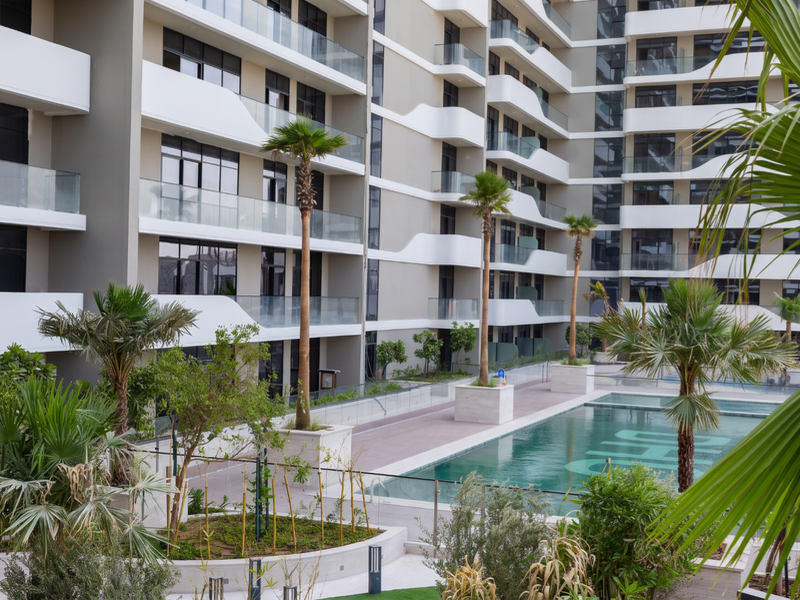

The UAE’s Central Bank (CBUAE) affirmed the robust performance of the real estate sector amid ongoing global uncertainties and stringent monetary policies worldwide between July and October 2023.
According to the CBUAE’s 2023 quarterly economic review, Abu Dhabi witnessed a substantial surge in residential transactions, escalating by 56% year-on-year (YoY) to Dh67.8 billion within the initial nine months of 2023. REIDIN reported a 3.2% rise in the average sales price of residential properties in Abu Dhabi during Q3 2023 compared to the same period in the prior year.
In October 2023, the growth in sales prices accelerated to 3.9% YoY. Average rents exhibited an upward trajectory, marking a year-on-year increase of 0.8% and 2.6% in the third quarter and October 2023, respectively, following a 0.5% YoY increase in Q2 2023. This resulted in an average rental yield of 6.2% in Q3 2023, remaining consistent with October’s 6.3%.
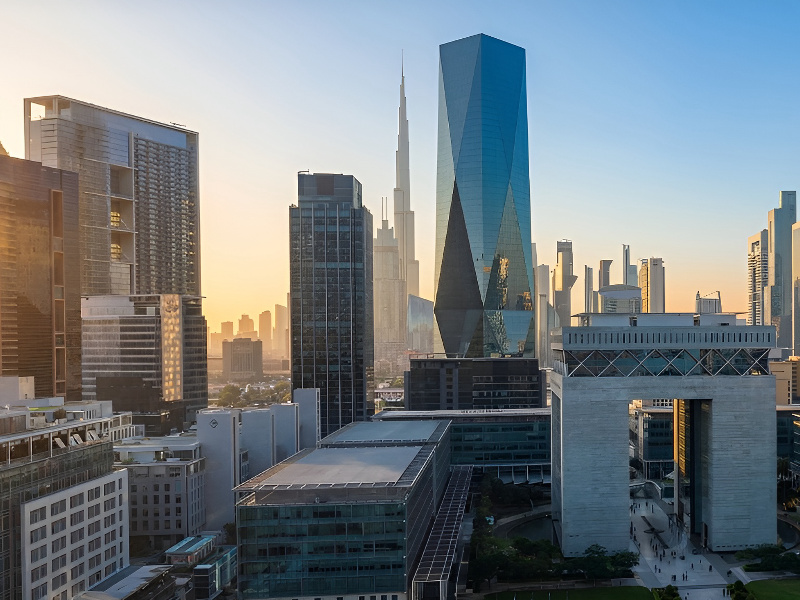
Based on Dubai Land Department (DLD) data, the report revealed a notable 37% YoY surge in the value of real estate transactions in Dubai, surpassing Dh500 billion in the first ten months of 2023. Transaction volumes during the initial three quarters of the year increased by 36% YoY, totalling more than 116,000 transactions.

Dubai witnessed a 15% YoY increase in new investors within its real estate market during the first three quarters of 2023 compared to 2022. The average residential property sale price in Dubai experienced a modest 0.3% YoY increase in Q3 2023, while average rents surged by 12% YoY in the same period, slowing to 5.7% YoY in October. Consequently, the average rental yield in Q3 2023 remained steady at 8.8%, aligning closely with October’s 8.7%.
Tourism and hospitality
Addressing tourism and hospitality, the report highlighted the UAE’s initiation of the National Tourism Strategy 2031 under the “Projects of the 50,” aiming to position the country as a premier global tourism destination by 2031. The strategy aims to boost the tourism sector’s GDP contribution by Dh450 billion, attract investments totalling Dh100 billion, and host 40 million hotel guests annually by 2031.
In the first eight months of 2023, Abu Dhabi’s hospitality sector demonstrated strength, welcoming 3.2 million hotel guests, marking a 31% increase from the previous year. Hotels maintained a 70% occupancy rate, with guests staying an average of 2.6 nights.
Dubai continued to shine as a major global tourism hub, with hotel occupancy rates reaching 75.7% in the first three quarters of 2023, a 4.9 percentage point increase from 2022 and surpassing 2019 figures by 2.3 percentage points. Despite a decrease in the average stay per guest from 4 to 3.7 nights, the total occupied room nights surged by 13% YoY in 2023 and a notable 32% from 2019, totalling 30.4 million nights.
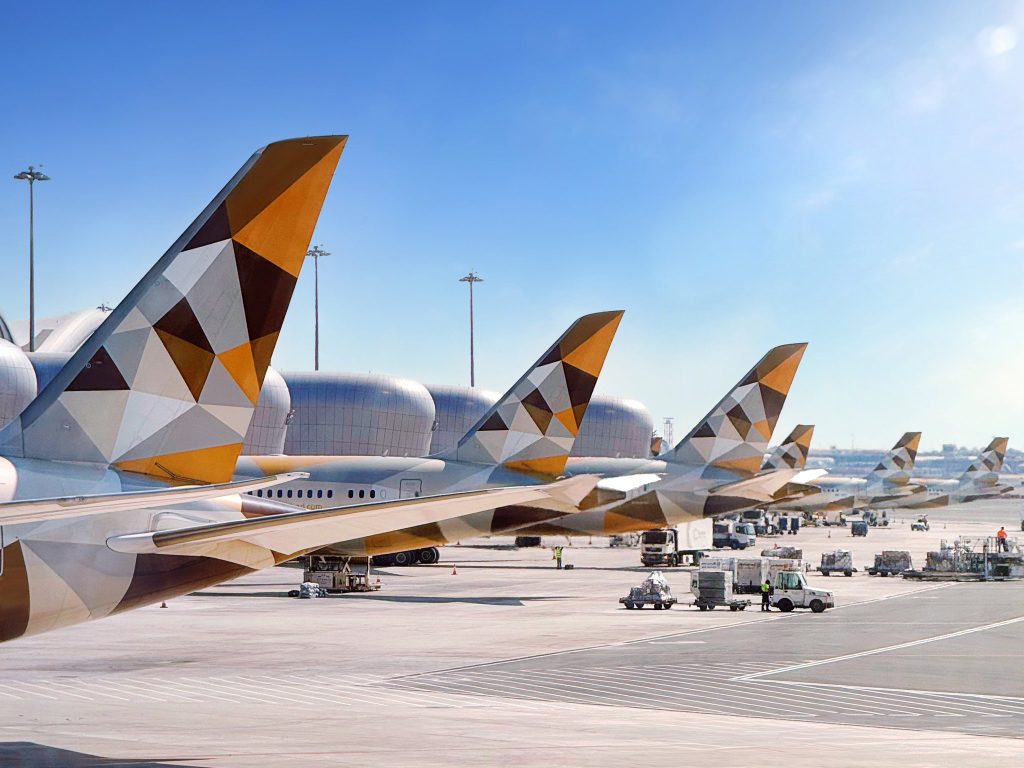
The report highlighted Abu Dhabi International Airport’s significant increase in passenger traffic, soaring to nearly 6 million passengers in Q3 2023, a 29.3% YoY rise. The airport also recorded 37,903 aircraft movements in Q3 2023, a 21.8% increase from Q3 2022. Abu Dhabi’s global connectivity expanded, with 119 destinations accessible via 24 airlines. In Q3 2023, the most frequented routes included flights to London, Mumbai, and Kochi. Additionally, the opening of Terminal A in November 2023 is expected to enhance the airport’s capacity notably.
Dubai Airports revised its 2023 passenger forecast to 86.8 million, surpassing the previously expected 85 million. This revision signifies Dubai International Airport’s anticipated surpassing its pre-pandemic passenger traffic of 86.3 million in 2019. The airport accommodated 64.5 million passengers in the initial three quarters of 2023, with a significant 22.9 million recorded in Q3, reflecting a 39.3% increase from 2022 and a 1% rise from 2019.