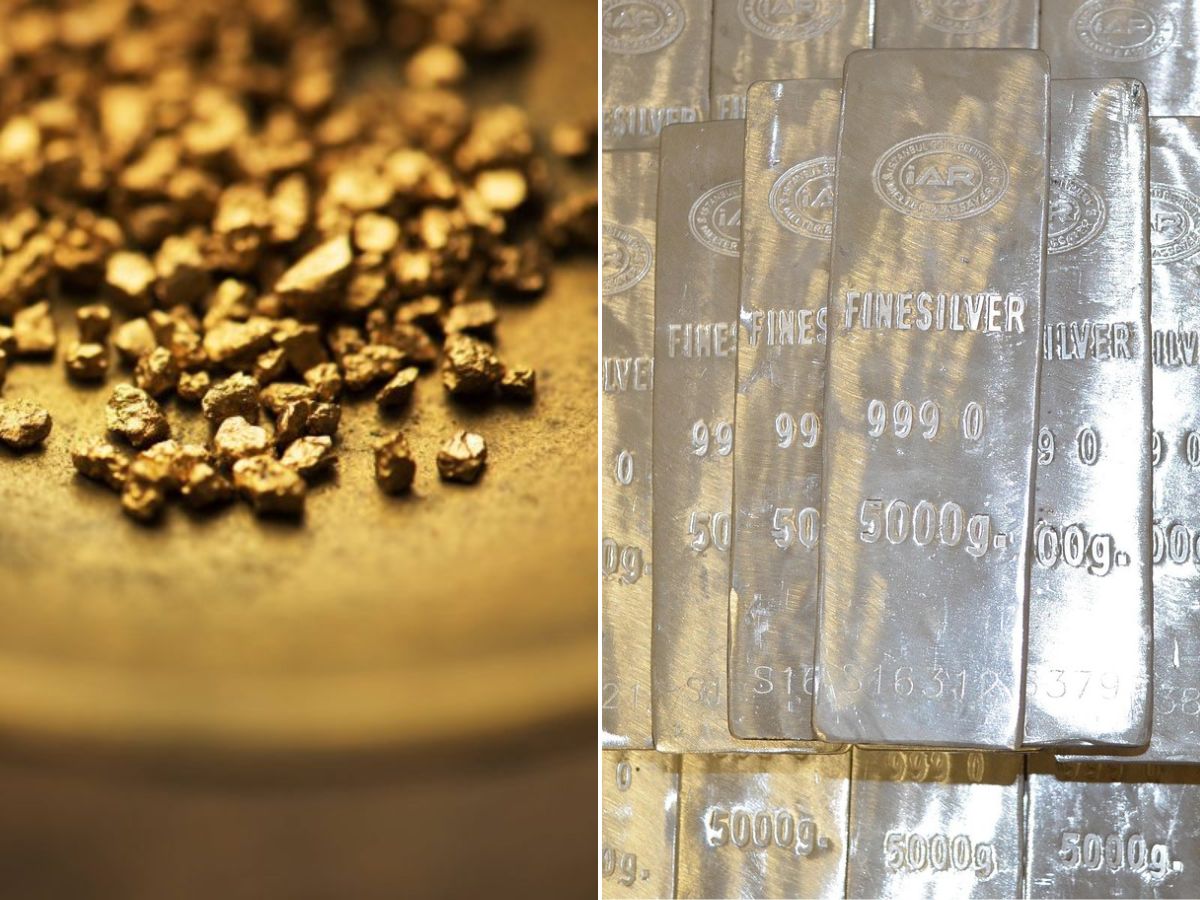
Silver pushed above $40 an ounce for the first time in 14 years, extending a rally that has outpaced gold in 2025. The move came as investors bet on US interest-rate cuts and as demand from industry and exchange-traded funds widened an already persistent supply deficit.
According to Reuters, spot silver rose to $40.56 on Monday, its highest since 2011, while gold touched a four-month peak at $2,643. The rally has been driven by a weaker dollar, expectations of monetary easing, and robust buying from retail and institutional investors .
“Silver is already up 37.5% year-to-date, outperforming gold’s 31% gain,” said Ole Hansen, head of commodity strategy at Saxo Bank. “This is not a new trend but an extension of a rally that has been under way for many months, supported by the same factors driving gold, with the extra support of being perceived as relatively cheap.”
Gold-silver ratio
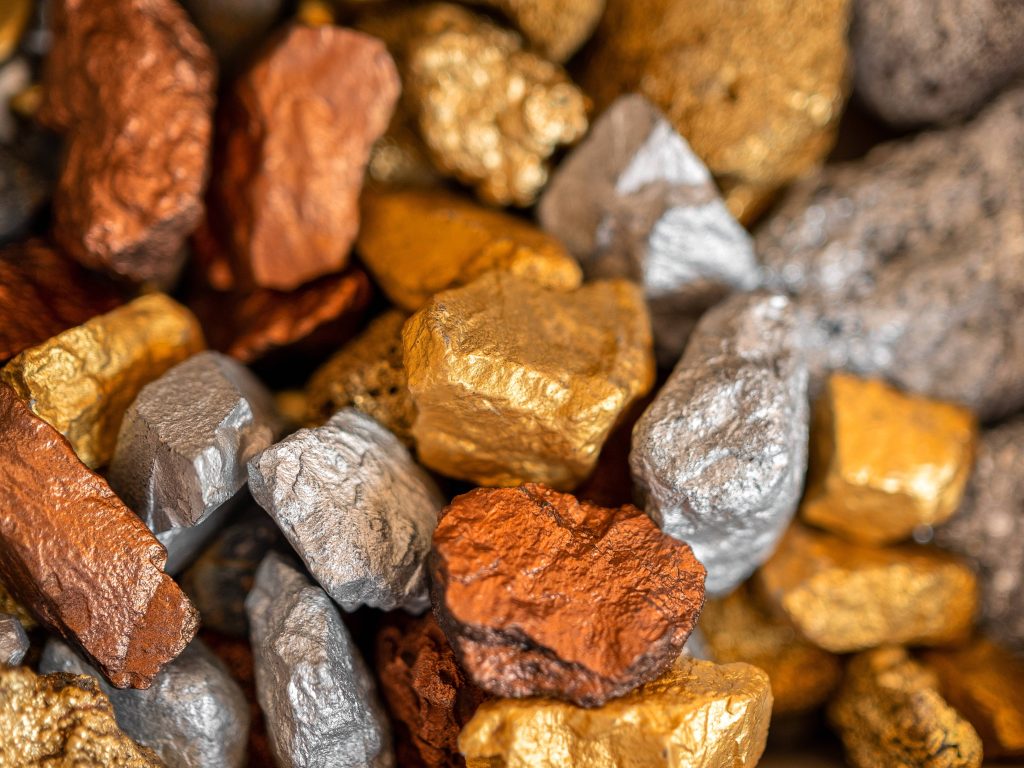
The gold–silver ratio, a widely watched valuation metric, currently trades near 85.5, above its five- and ten-year average of around 80. “With the record high from 2011 at $50, some may still view silver as being cheap, with $50 being the target,” Hansen added.
Silver’s price is shaped almost evenly by its role as an investment and as an industrial metal. Usage in solar panels, electric vehicles and electronics has underpinned demand, while a pick-up in ETF inflows has added further momentum. “Strong industrial demand and increased investment flows will likely drive a seventh year of price-supportive supply deficit,” Hansen said.
The structural shortfall comes as miners have been slow to respond to higher prices. “Silver is often produced as a by-product of mining other metals, so sharply higher prices may not necessarily trigger increased supply,” Hansen explained. He noted that over time, above-ground inventories will be drawn down to meet demand, forcing higher prices to incentivise recycling or scrap sales.

Invest in silver
On consumer impact, Hansen said jewellery costs will move in line with silver prices, though the contribution to electronics and solar manufacturing is relatively small and unlikely to drive significant cost changes.
While gold remains the traditional safe haven, silver is increasingly being viewed as a candidate for that role, though with higher volatility. “Silver often behaves like gold, but on steroids — it rallies and slumps bigger and faster,” Hansen said.
With spot prices now above $40, traders are watching whether momentum can carry silver toward the 2011 peak. Analysts remain divided on whether the rally will consolidate or give way to a correction, but structural deficits and investor flows are expected to keep the market tight through 2025.