The world has become more volatile, supply chains more fragile and investment decisions more complex. Conventional wisdom suggests that periods of geopolitical tension should trigger caution, capital flight and delayed investment decisions.
Yet across the Gulf, the opposite story is unfolding.
The Perception of Risk is Changing
That contradiction sat at the heart of discussions during The Briefing with Arabian Business: 2026 Resilience & Recovery Conference, where business leaders, investors and policymakers gathered to examine how organisations can navigate disruption while identifying new opportunities for growth.
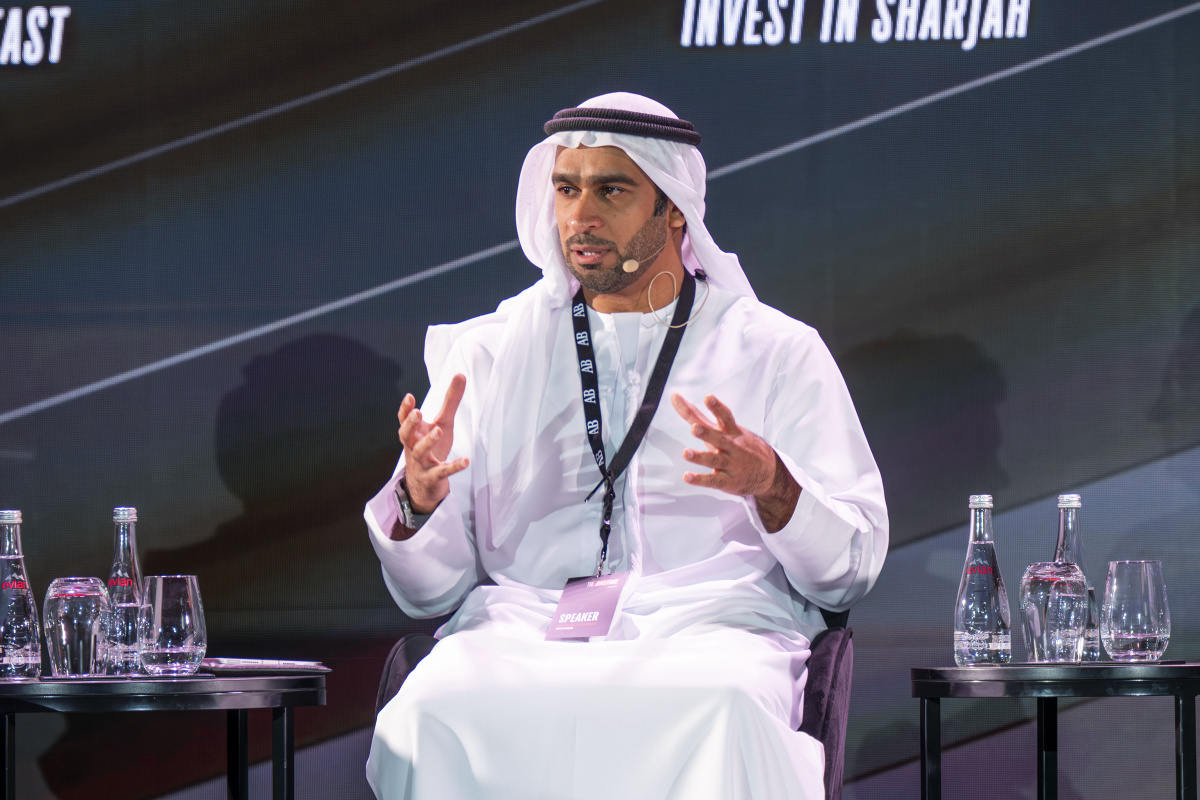
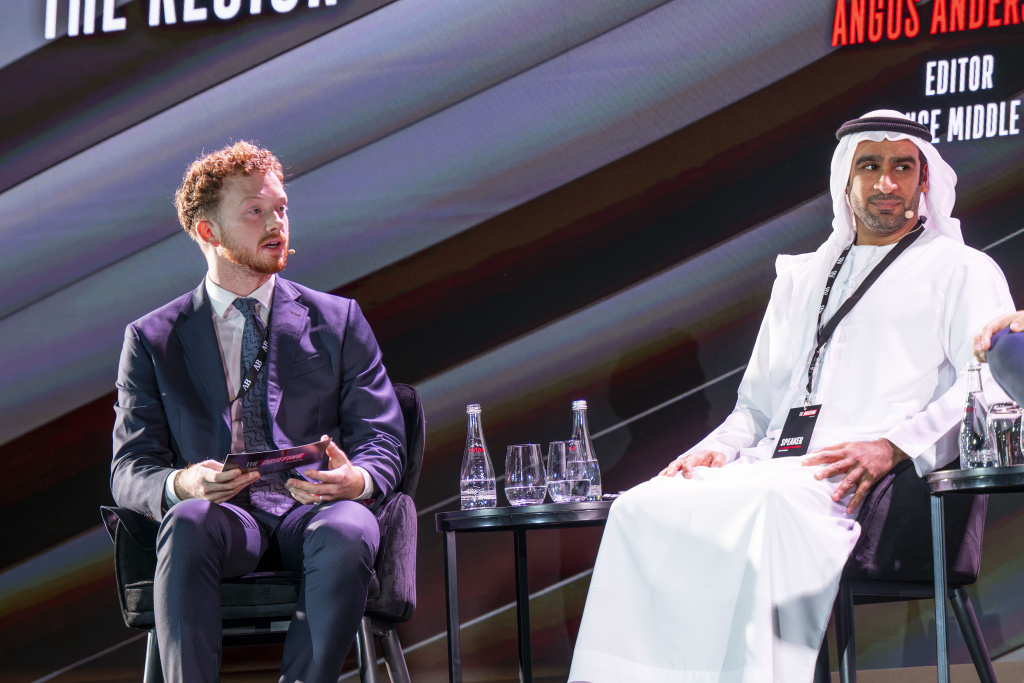
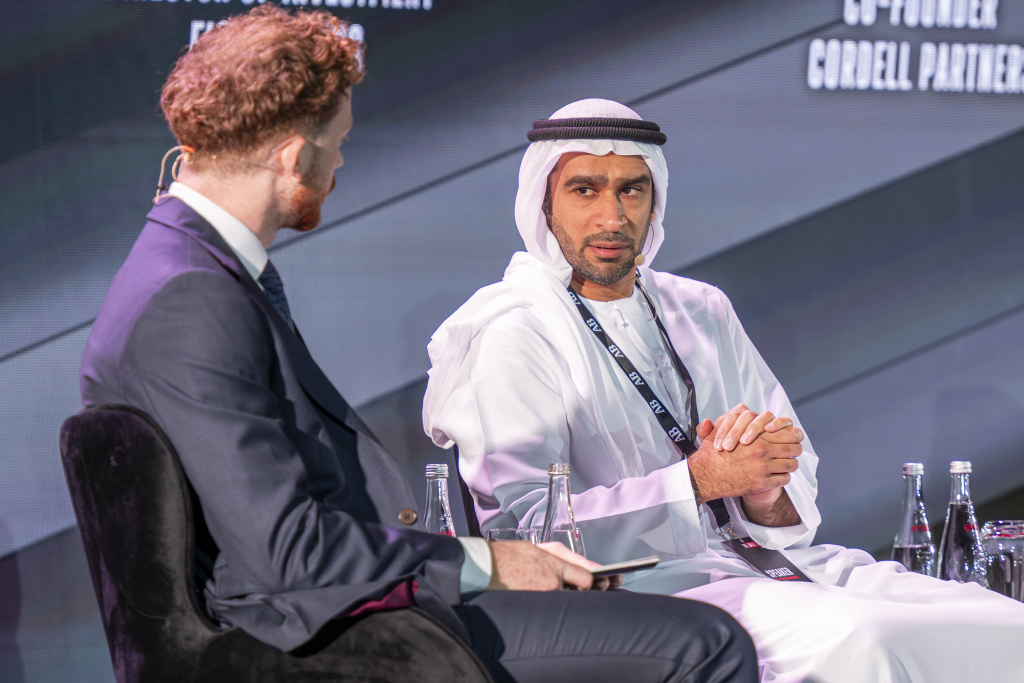
Speaking during the panel discussion “Investment in the Gulf: Why Big Capital Is Still Inbound” moderated by Finance Middle East, H.E Mohamed Juma Al Musharrakh, CEO of the Sharjah FDI Office (Invest in Sharjah), argued that global investors are fundamentally changing how they define risk.
“Investors are no longer evaluating markets solely through traditional indicators such as growth rates or market size,” H.E. noted. “They are increasingly looking at resilience: whether economies can absorb shocks, maintain continuity and keep business moving during periods of uncertainty.”
That shift helps explain why the Gulf continues to attract investment at a time when many emerging markets are facing growing scrutiny.
Energy Focus
Historically, investors often viewed the GCC through a narrow lens focused on energy.
Today, the equation is far broader. Policy stability, infrastructure quality, trade connectivity, fiscal strength and long-term economic planning have become equally important factors in investment decisions.
The UAE has emerged as one of the clearest examples of this transformation. Non-oil sectors now account for approximately 78% of national GDP while non-oil foreign trade surpassed AED 3.8T in 2025 for the first time in the country’s history.
Rather than slowing momentum, recent global and regional disruptions have reinforced confidence in the country’s ability to sustain growth while adapting to changing circumstances.
Changing Asset Types
This is changing the type of assets investors are prioritising according to Al-Musharrakh.
“The conversation is increasingly moving beyond where growth is happening to how that growth is supported,” H.E. explained.
As businesses redesign supply chains and build greater operational resilience, infrastructure linked to trade, logistics and manufacturing is attracting renewed attention. Investors are looking for locations that offer market access, efficient distribution networks and the ability to continue operating regardless of external pressures.
Al-Musharrakh’s comments come as the UAE builds alternative pipelines, under ADNOC, boosting existing capacity between Abu Dhabi-Fujairah whilst Saudi Arabia tendered approval for the construction of the 672km KSA section of the Kuwait-UAE railway network connecting all six GCC economies by rail.
Operational Platforms in Sharjah
This trend is particularly visible in Sharjah, where demand is increasingly centred on operational platforms rather than purely financial opportunities.
Al Musharrakh highlighted growing interest in industrial and logistics-related investments as companies seek locations that allow them to manufacture, warehouse, distribute and export from a single base.
Developments such as the Al Dhaid Logistics Complex, expanding industrial ownership opportunities in areas including Sajaa and Al Qasimia, and stronger connectivity through the Sharjah-Oman Corridor reflect the growing importance of supply-chain infrastructure as an investment theme.
Sharjah’s strategic position is also becoming more relevant in the current environment. Assets such as Khorfakkan Port provide direct access to international shipping routes on the UAE’s east coast, giving businesses additional flexibility as global trade routes continue to evolve.
Responsive Investors
The numbers suggest investors are responding.
In 2025, Sharjah attracted AED 7.74B in foreign direct investment across 142 projects, representing a 45% increase in project numbers year-on-year and generating more than 5,600 jobs.
During the first quarter of 2026 alone, the emirate issued nearly 3,000 new business licences, while real estate transactions reached AED 18.5B, with investors representing more than 100 nationalities.
Importantly, the sources of capital continue to diversify. More than 100 Indian FDI projects were implemented in Sharjah in 2025, while trade and investment ties with the United States, Japan and other major economies continue to expand.
GCC is a Long-Term Opportunity
For Al Musharrakh, these developments point to a broader conclusion.
The Gulf is increasingly being viewed not as a short-term opportunity, but as a long-term platform for growth. Investors are committing capital because they see strong institutions, diversified economies and the infrastructure needed to support future expansion.
In that sense, resilience has evolved from a defensive strategy into a competitive advantage.
In an era where uncertainty has become a constant feature of the global economy, that may be one of the region’s most valuable assets.
Stay Up to Date with the Latest Updates at Finance ME
Al Ansari Plans to Acquire a Stake in Mustafa Sultan Exchange
UAE Reinforces Overseas FDI Commitment in U.S. Despite Iran War
EDGE’s Rodrigo Torres on Risk, Sovereignty and Defence Finance in a Multipolar World