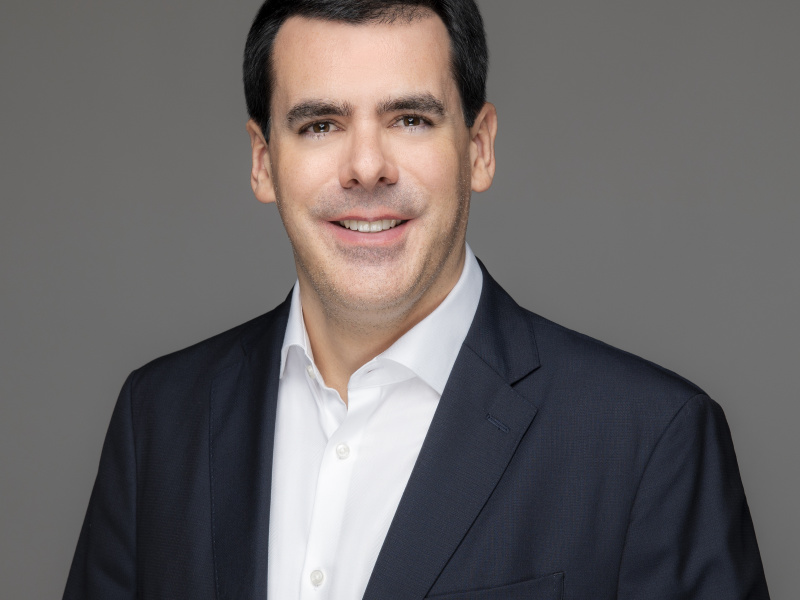
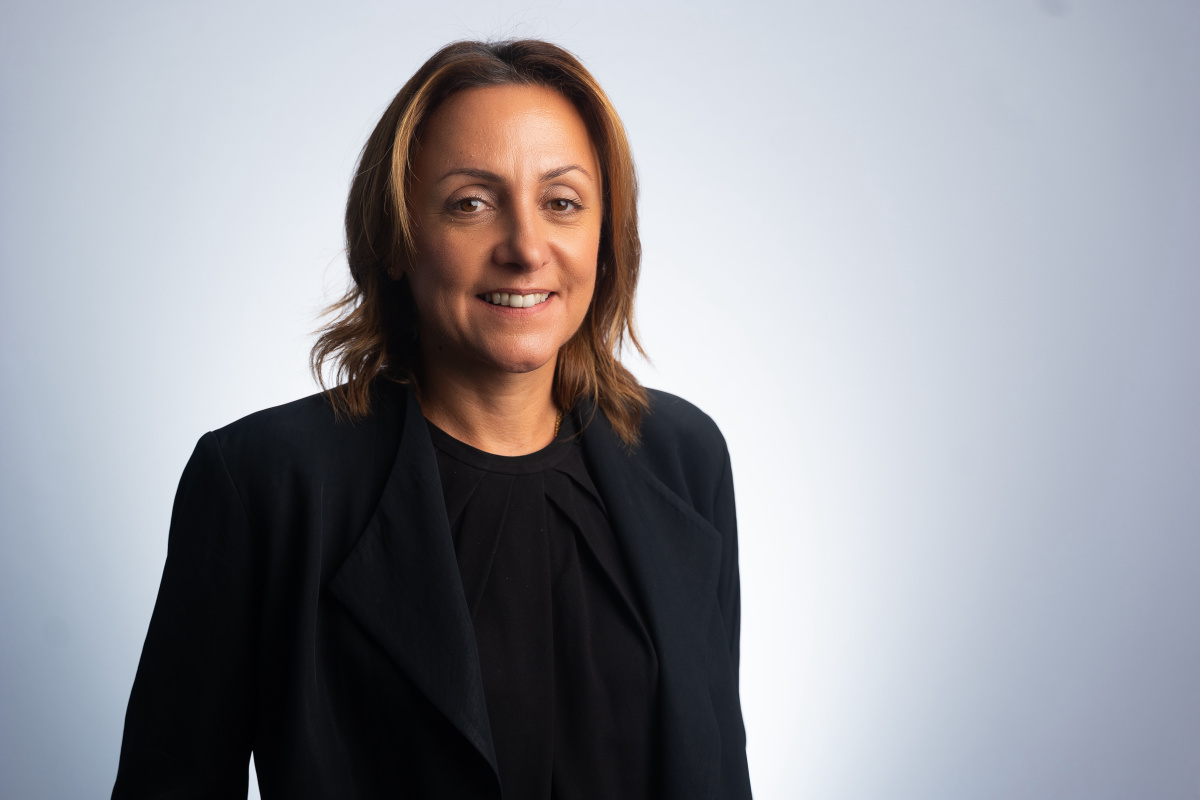
Speaking with Finance Middle East, I spoke with Leila Serhan, Senior Vice President and Group Country Manager for the North Africa, Levant and Pakistan (NALP) region at Visa’s 2026 Payments Forum in Paris.
Together we discussed Visa’s re-engagement with the Central Bank of Syria as the new regime looks to reintegrate with the global economy. Digital payments are a crucial step for the Central Bank and Syrian firms to streamline payments, monetise spending, and transact with international commerce.
Visa re-entered Syria earlier this year following a 15-year hiatus due to the onset of the Syrian civil war. The payments provider is working with the Central Bank of Syria to implement a roadmap to help Syria rapidly integrate into the modern global digital economy.
What changed from a regulatory and compliance perspective that made Visa’s return to Syria possible now?
Visa’s re-engagement in Syria reflects an opportunity to support the development of digital payments and contribute to broader economic connectivity. Visa is working with relevant stakeholders to explore how its global network, expertise, and payment technologies can help enable secure, reliable, and interoperable digital payment experiences for consumers, businesses, and financial institutions.
What does success in Syria look like for Visa over the next three to five years?
Success means helping to establish a future-ready payments ecosystem that enables secure, interoperable, and widely accessible digital payments. Visa’s focus is on supporting the development of core payments infrastructure, expanding digital payment acceptance, working with licensed financial institutions, fostering innovation, and helping connect Syria more effectively to regional and global commerce.
How will Syrian consumers and businesses benefit first from the resumption of Visa payment services?
The initial focus is on building a secure payments foundation in collaboration with licensed financial institutions. This includes enabling payment products and services built on globally recognised standards, while expanding merchant acceptance through open and affordable solutions. For consumers, this means greater access to secure digital payment options. For businesses, particularly SMEs and microbusinesses, it creates new opportunities to participate in the digital economy and serve customers more efficiently.
How important are cross-border remittances and the Syrian diaspora to your long-term strategy?
Visa’s overall objective is to help Syria reintegrate into the global digital economy through secure, interoperable payment infrastructure that connects consumers, merchants, financial institutions, and businesses with regional and international commerce.
What partnerships are you building with local banks and financial institutions to rebuild the payments ecosystem?
Visa is working closely with the Central Bank of Syria, financial authorities, and licensed financial institutions on a phased roadmap to develop a secure payments foundation. This includes supporting payment products and services expanding acceptance, and sharing global expertise on payments infrastructure, security, interoperability, and innovation.
Visa has also held industry engagements such as Visa Connect Syria, bringing together financial institutions, policymakers, and ecosystem partners to help supporting the country’s payments future.
How is Visa managing sanctions compliance, fraud prevention and financial crime risks as it re-enters the market?
Security and trust are foundational to Visa’s approach. Visa is supporting the development of a payments ecosystem built on global standards and secure technologies, including EMV chip technology and tokenization. The company’s roadmap also places a strong focus on building a robust and secure payments foundation and sharing global expertise on risk management and secure payment infrastructure.
What role can digital payments play in supporting Syria’s economic recovery and expanding financial inclusion?
Digital payments are a foundational component of economic recovery. Secure and interoperable payment systems can help enable commerce, support entrepreneurship, broaden access to financial services, increase participation in the formal economy, and create opportunities for businesses and communities. Visa’s work in Syria is focused on advancing financial inclusion while supporting the modernization of the country’s payments infrastructure.
Do you expect Syria to remain largely cash-based for some time, or could digital payments accelerate more quickly than expected?
Syria has a significant opportunity to modernize its payments landscape by building on global standards and modern digital infrastructure. Through our partnership with the Central Bank of Syria and industry stakeholders, Visa believes the country has the potential to “leapfrog” into modern payments by adopting scalable, interoperable, and secure payment solutions from the outset.
Does Visa’s return to Syria reflect a broader strategy of re-engaging with previously underserved or isolated markets across the region?
Visa’s focus in Syria reflects the company’s mission to uplift everyone, everywhere by expanding access to secure and innovative payment solutions. The company’s engagement is centred on supporting financial inclusion, payments modernization, and economic participation in markets that are seeking to strengthen their digital economies. In Syria specifically, Visa is working with local stakeholders to support the country’s integration into the global digital economy.
What message would you like to send to Syrian consumers and businesses about what Visa’s return means for their future?
Visa’s return is about helping build the foundations for a modern, inclusive, and secure digital economy. We are committed to working alongside local partners to support the development of payment infrastructure that connects Syrian consumers, businesses, entrepreneurs, and financial institutions to greater opportunities both domestically and globally.
Our goal is to help create a future-ready payments ecosystem that enables individuals and businesses to participate more fully in economic growth and digital commerce.
Stay Up to Date with the Latest Updates at Finance ME
Sarah Al-Shawwaf: Vision 2030 Has Unlocked the Potential of Saudi Women
Mohamed Alabbar: Damascus City to Watch in Next Decade
EDGE’s Rodrigo Torres on Risk, Sovereignty and Defence Finance in a Multipolar World