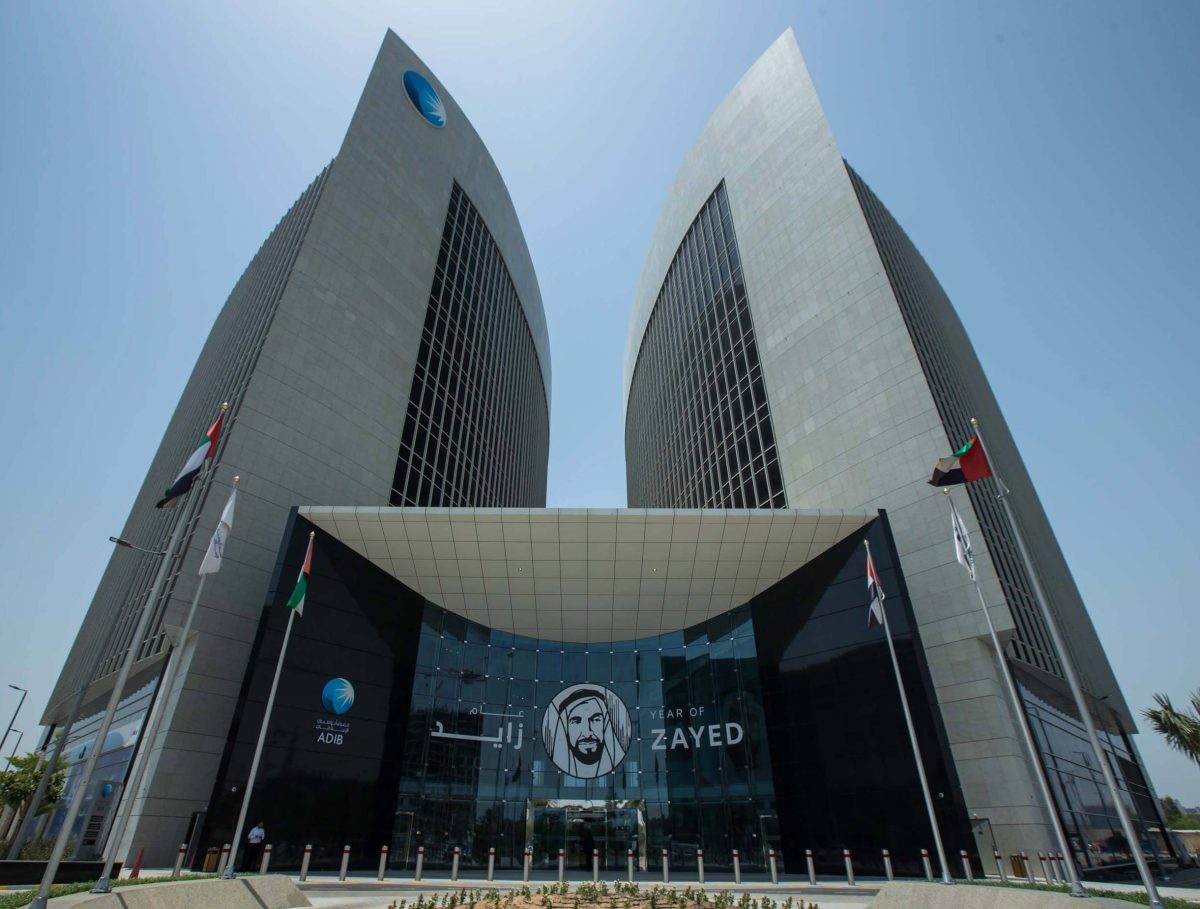
The UAE’s Abu Dhabi Islamic Bank (ADIB) has set new net-zero Scope 1 and Scope 2 and financed emissions targets for 2030, demonstrating its commitment to reducing its carbon footprint.
The bank’s latest Environmental, Social, and Governance (ESG) report has stressed ADIB’s ongoing efforts in governance and sustainability, providing information on the performance and management of the bank ’s commitments to address ESG goals.
In 2023, ADIB’s sustainable finance portfolio reached Dh 5.57 billion ($1.52 billion). The group also recently issued one of the world’s largest green sukuk by a bank, raising $500 million.
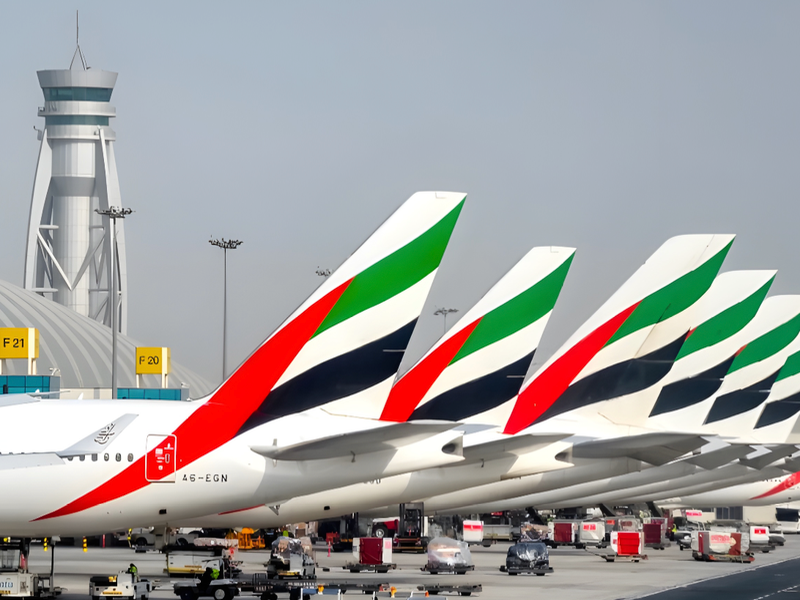
During the course of last year, the bank was able to reduce its Scope 1 emissions by 65% compared to 2022. ADIB also recently announced 2030 emissions reduction targets for six portfolio sectors: home finance, auto finance, real estate developers, air transport, utilities and petroleum manufacturing.
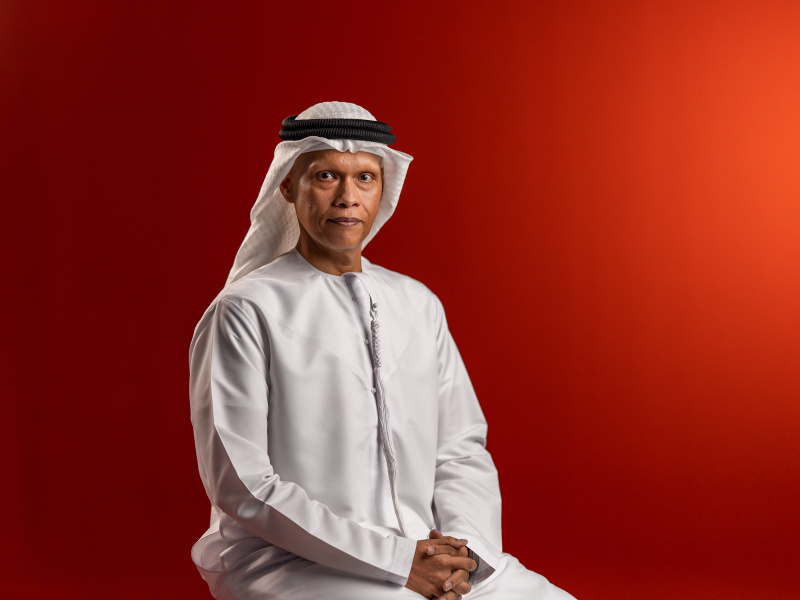
“ADIB’s strategic journey is marked by a steadfast commitment to innovation and sustainability,” said Mohamed Abdelbary, Acting Chief Executive Officer at ADIB. “By integrating robust ESG frameworks into our operations, we are not only enhancing our service offerings but also contributing to the global efforts towards a sustainable future.”
ADIB has expanded its diversity and inclusion efforts; with women now accounting for 39% of the entire workforce. The bank completed 1,902 hours of ESG training for its employees.
In 2023, ADIB also financed and facilitated a total of Dh5.567 billion ($1.52 billion) in sustainable finance activities which puts ADIB well on track to meet its goal by 2030.