
Starry-eyed entrepreneurs rarely fantasise about spreadsheets. They dream of disrupting industries, crafting ingenious solutions and building empires.
But here’s the hard truth: entrepreneurship is more than just good ideas and ambition. It’s paved with numbers—cold, hard, unforgiving numbers. And if you don’t understand them, you will get run over.
Knowing your financial statements is important, if not essential. Consider them your business’s vital signs: the balance sheet, the income statement, and the cash flow statement.
Ignore them, and you’re flying blind, liable to crash and burn at any moment. If you’re an aspiring entrepreneur or have already launched your venture, here are the fundamentals you should be well versed in:
What you should know about the income statement
The income statement, also known as the profit and loss (P&L) statement, shows revenue, cost of goods sold, gross profit, operating expenses, and net income over a period of time.
Gross profit is calculated by subtracting the cost of goods sold from revenue, and net income is derived by subtracting operating expenses from gross profit to arrive at operating profit and then subtracting interest and taxes from operating profit. This helps you understand how much money you’re making, where you’re spending it, and whether you’re turning a profit.
By regularly reviewing your income statement, you can identify areas for cost reduction, pinpoint profitable products or services, and make data-driven decisions to improve your overall profitability.
While your P&L is based on accrual accounting—meaning it records revenue when it’s earned and expenses when they’re incurred, not necessarily when cash changes hands—it ultimately feeds into your cash flow.
One important measure often derived from the income statement is EBITDA, or Earnings Before Interest, Taxes, Depreciation and Amortisation. EBITDA gives you a clearer picture of your core operating profitability.
Here are a few more concepts to know in your Income Statement.
Revenue streams: Where’s the money coming from? Are certain products outperforming others? Identifying your cash cows and problem children is crucial for strategic decision-making.
Cost of goods sold (COGS): What’s it costing you to produce what you sell? Optimising your supply chain, production, and even pricing can significantly impact your margins.
Operating expenses: Those sneaky costs—rent, utilities, marketing—can bleed you dry. Are you spending wisely, or is there fat to be trimmed?
Analysing your P&L isn’t just about understanding the past, it’s about forecasting the future. Can you ramp up marketing to boost revenue? Can you be more efficient in reaching profitability? Your P&L holds the answers.
What you should know about the balance sheet
The balance sheet reflects your business’ net worth at a specific point in time. The fundamental equation of the balance sheet is:
Assets = Liabilities + Equity
Assets include everything your business owns, including current assets like cash and inventory and fixed assets like property and equipment.
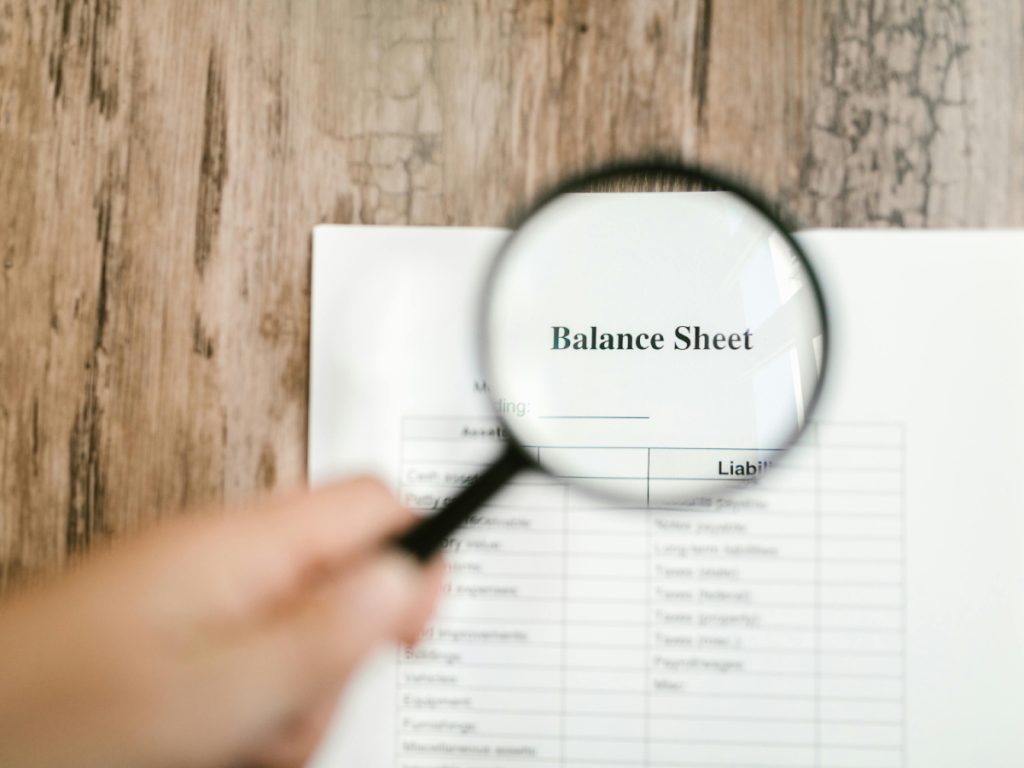
Liabilities are your business’s debts and obligations, including short-term payables and long-term loans. Equity represents the net worth of your business—it’s what would be left if you sold all your assets and paid off all your liabilities.
Understanding your balance sheet is crucial for making informed decisions. It gives you answers to crucial questions like: Are you overleveraged? Do you have enough liquid assets to cover your short-term obligations? Is your equity growing or shrinking?
What you should know about the cash flow statement
Cash flow is the lifeblood of any business. It keeps the lights on, pays the bills, and allows you to invest in growth. The cash flow statement tracks the flow of cash in and out of your business, showing where your money is coming from and where it’s going.
Unlike the income statement, which uses accrual accounting, the cash flow statement adjusts for non-cash items and changes in balance sheet accounts to show the actual cash inflows and outflows, resulting in the ending cash balance.
Profit doesn’t guarantee cash flow. You can be profitable on paper but still go bankrupt if you don’t manage your cash wisely.
A positive cash flow means you have more money coming in than going out, which is what you want.
It’s vital to monitor your cash flow statement closely and make adjustments as needed to ensure you always have enough cash on hand to meet your obligations.
When it comes to cash flow, understand these concepts:
Operating activities: How much cash is generated from your core business operations? Are you collecting payments on time?
Investing activities: Are you investing in your business’s future? This could be equipment purchases, research and development, or acquisitions.
Financing activities: How are you funding your business? This includes loans, investments and owner contributions.

Understanding your cash flow statement helps you make critical decisions, such as whether you can afford to hire new employees, whether it’s time to seek additional funding, and whether you need to adjust your payment terms.
The sooner you understand your financial statements, the sooner you can start making smarter decisions and setting your business up for success.
This financial intelligence isn’t just about keeping your head above water; it’s about making strategic decisions that support long-term, sustainable growth. It empowers you to make informed decisions, secure funding, and ultimately, build a sustainable and profitable business.