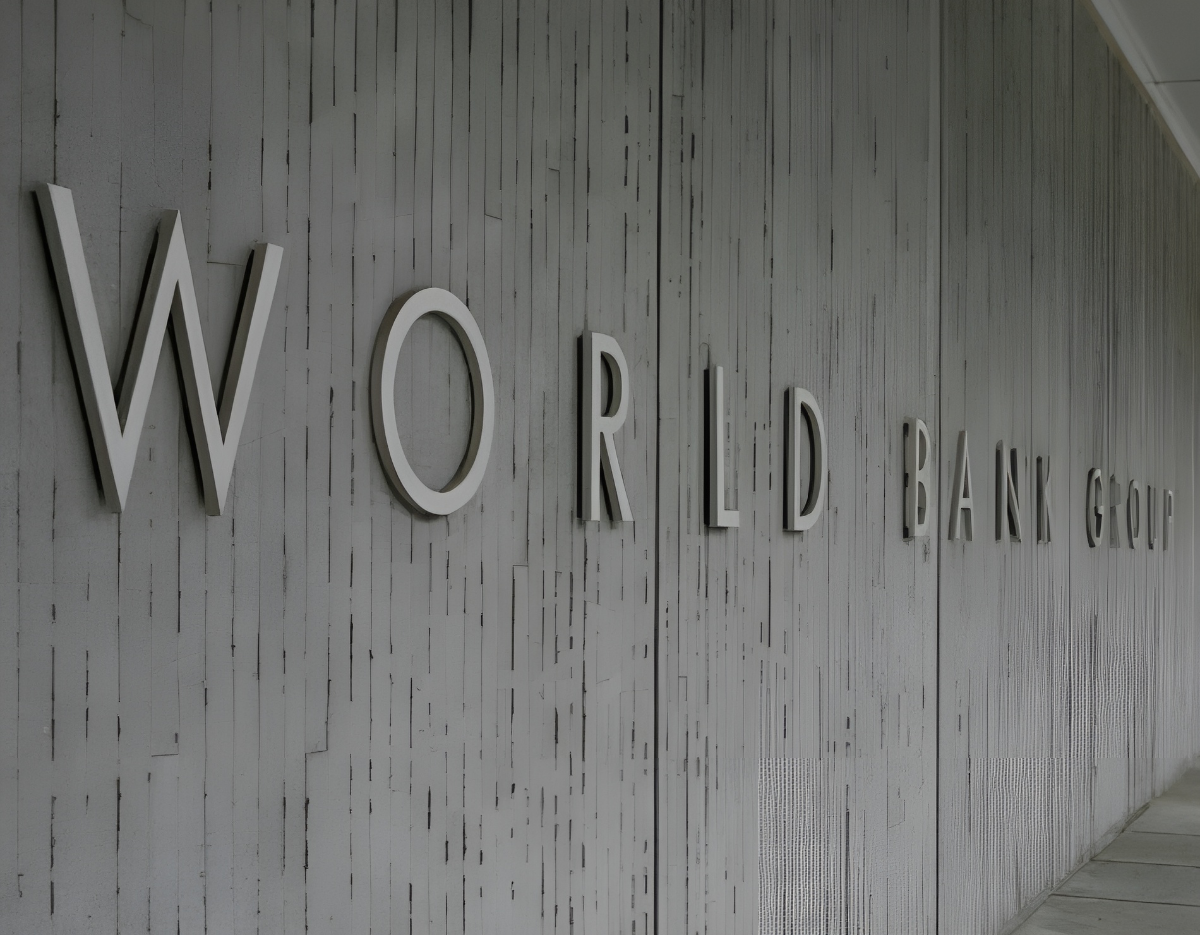
The World Bank revised its economic growth forecast for the Middle East, anticipating a slowdown to 1.8% this year due to the ongoing conflict in Iran. This projection marks a significant decline from the estimated growth of 4% recorded in the previous year, as outlined in the organisation’s regional economic update.
“The current crisis is a stark reminder of the work ahead for the region: not only to weather shocks, but to rebuild more resilient economies with stronger macroeconomic fundamentals, innovate and improve governance, invest in infrastructure, and boost employment-creating sectors,” said Ousmane Dione, World Bank Vice President for the Middle East, North Africa, Afghanistan and Pakistan.
The WB indicated that disruptions such as refinery closures, damaged infrastructure and population displacement will result in lasting economic consequences.
The outlook for the Gulf region now suggests a growth of 1.3%: a reduction on last year’s 4.4% expansion.
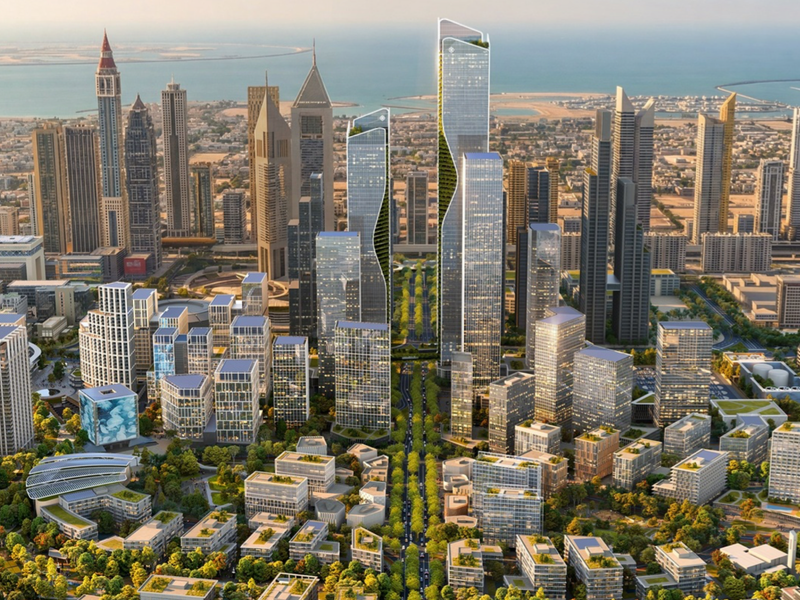
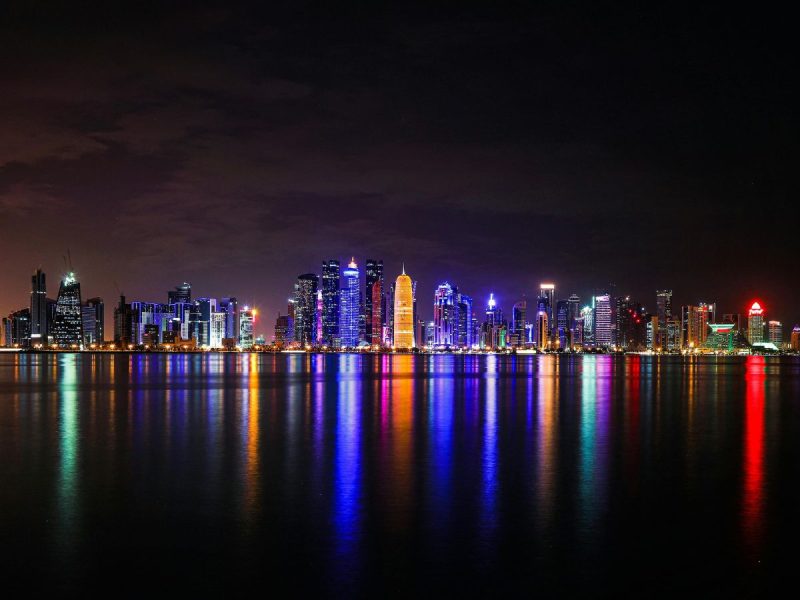
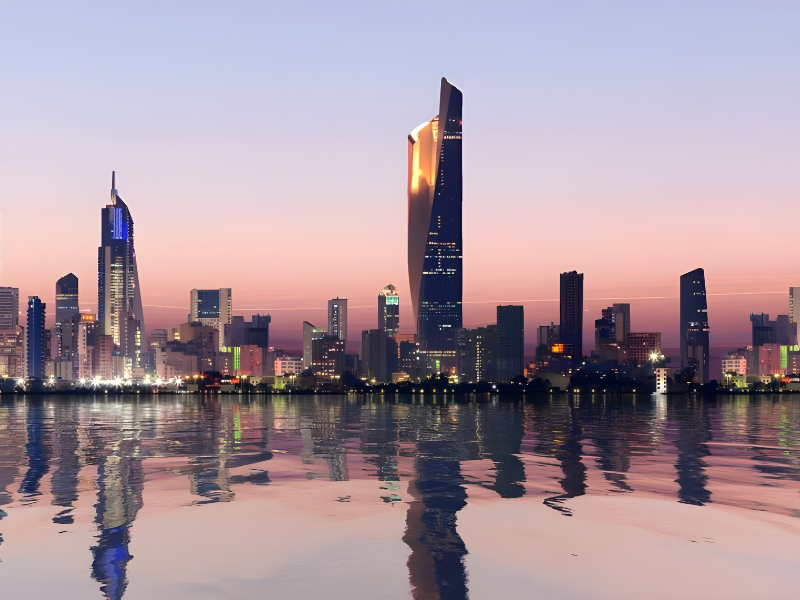
Significant contractions are projected for Qatar and Kuwait, 5.7% and 6.4% respectively, contrasting sharply with previous growth forecasts. The outlook for KSA is revised down to a 3.1% growth rate for 2026 while the UAE is expected to grow by only 2.4%: down from 5.1%.
The geopolitical landscape has intensified, with U.S. and Israeli actions against Iran prompting retaliatory strikes from Tehran.
A recent ceasefire has led to a temporary improvement in regional market conditions and an agreement to reopen the Strait of Hormuz, driving oil prices to a peak of nearly $120 a barrel. Although prices have since fallen, the economic shock remains, particularly affecting net oil-importing countries, especially in Asia.
Sustained high energy prices could result in global inflationary pressures, disproportionately impacting Europe and Asian markets.
These rising costs are likely to compel central banks to maintain elevated interest rates for a longer duration than previously anticipated.
Stay Up to Date with the Latest Updates at Finance ME
Emirates NBD Launches Temporary Support Package for SMEs
EDGE’s Rodrigo Torres on Risk, Sovereignty and Defence Finance in a Multipolar World