Like many other countries, the UAE has felt the increasing effects of climate change firsthand. While the Government has implemented policies and practices to strengthen sustainable development and reduce emissions, private organisations are responsible for reducing their footprint in a collective effort to protect the environment. Today’s “World Environment Day” is another reminder that the planet is at an inflexion point in the fight against climate change and that companies, especially technology leaders, have a role to play.
As one of the leading tech and innovation hubs in the Middle East, the UAE is at the forefront of this digital transformation, fostering a knowledge-based, technology-driven economy of the future. However, as the local and global demand for connectivity and computing power grows exponentially, information and communications technology (ICT) infrastructure consumes energy and materials at unprecedented rates. Some studies estimate that ICT and supporting infrastructures consume nearly 10% of the world’s electricity. These energy demands aren’t sustainable in the long run.
Applying circular principles
To achieve set environmental goals while navigating the increasingly complex regulatory and procurement criteria, organisations need to take a focused approach to the areas that have the most material impact.
To reduce resource inputs and minimise the impacts, one must start with building circularity in the IT industry. By applying circular principles to innovation and designing efficiencies and longevity into IT solutions, technology companies can accelerate sustainable production and consumption. At the same time, there is a unique opportunity for customers, as they undertake a digital transformation, to critically review ageing on-premises IT estates and consider how to structure and scale for modernisation with sustainability in mind.
Implementing smarter IT lifecycles
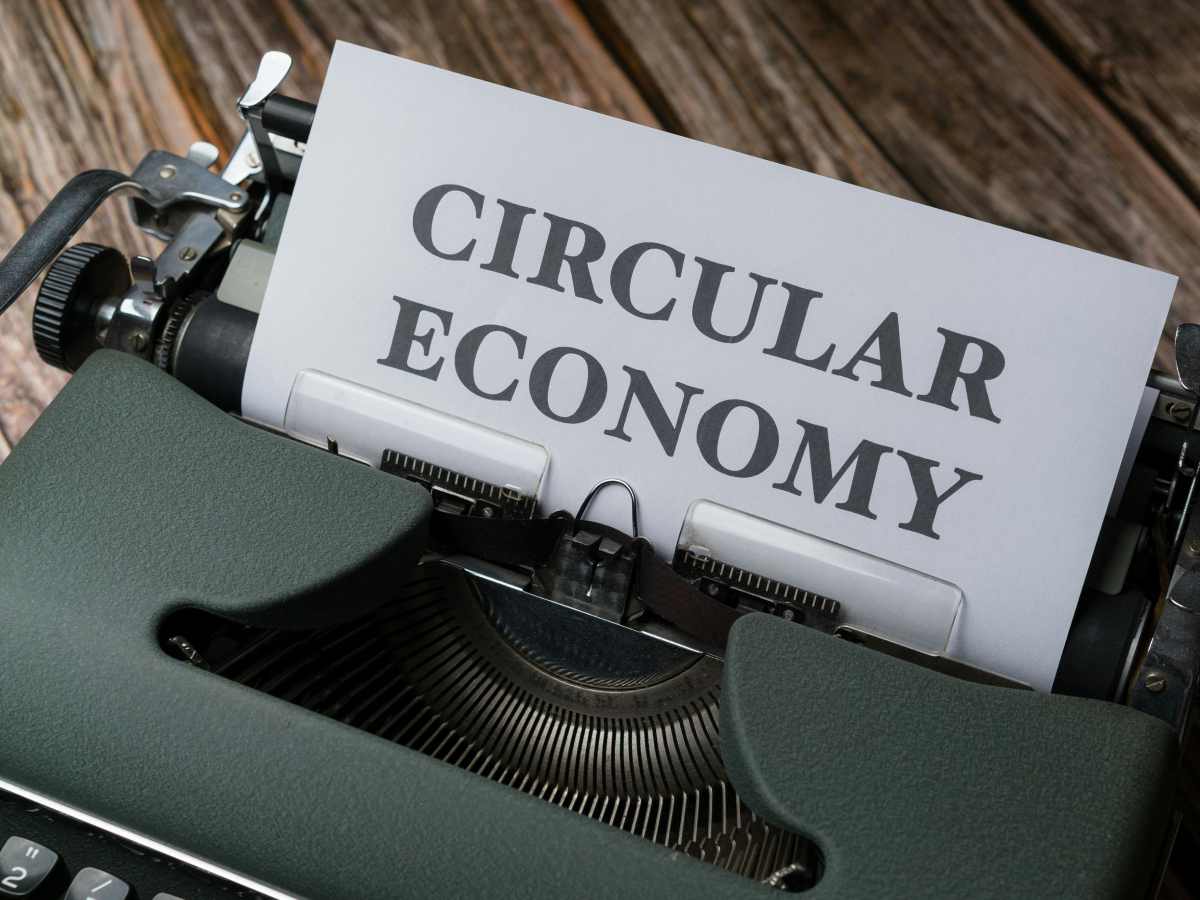
The key is a smarter IT lifecycle. By aligning their technology strategies with the circular economy principles, organisations can achieve exponentially more with less. Currently, most economic models are based on extraction and depletion, whereby products are designed and manufactured with linear thinking and only a single lifespan in mind. A circular economy, in contrast, is an industrial system that decouples economic growth from the consumption of natural resources. Restorative by intention and design, it shifts towards using renewable energy and the elimination of toxic chemicals usage, which impair reuse and waste. This is mostly achieved through designing materials, products, systems and business models.
However, closing this cycle requires much more than just recycling–it requires developing products from the start with considerations for repair, disassembly, remanufacturing and reuse, recycling, and limiting waste streams to ensure that materials are back in the system. This reduces the environmental impact and allows companies to reduce their costs and generate new sources of value.
Linking digital and sustainable transformation
It’s estimated that transitioning to a circular economy could generate $4.5 trillion in new economic output by 2030. To capture this advantage, we need to consider everything from how we design products to what we do with them when we are done, new business and financing models, and the necessary incentives and legal structures. This systemic approach requires working across multiple disciplines simultaneously rather than planning single-point interventions.
By following a complete lifecycle approach to product innovation, creating dedicated tools and services for IT infrastructures and IT asset lifecycle management optimisation, technology providers can help customers reduce waste and drive more energy-efficient operations. At the same time, organisations are growing stronger and nimbler as they align their technology strategies with sustainability initiatives, meaning they can better accelerate data-first modernisation strategies. This is one of the reasons why companies that link digital and sustainable transformation are more likely to be among the strongest-performing businesses in the future than those that do not–and why the UAE is such a great environment for companies to succeed.